Trusted local partners
Every car rental company on goArid is a Namibian provider. Your money stays in Namibia, supporting the local tourism economy and local communities — we choose local partners based on quality and experience.
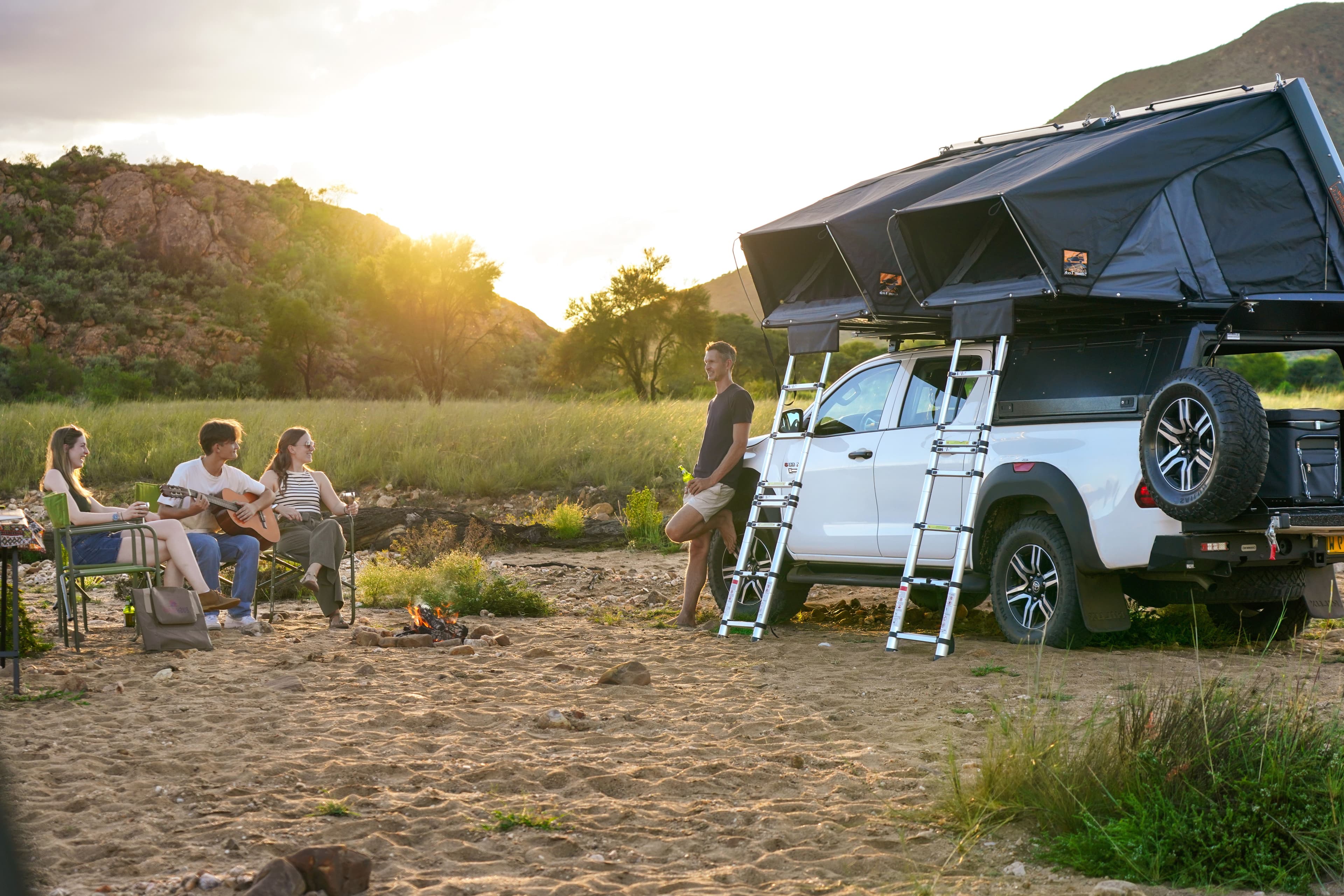
Fully equipped. No-obligation request. No stress, no risk.

Namibia 4x4 rental cars with rooftop tent and full camping gear: Toyota Hilux double cab, Land Cruiser, and more. Compare campers in Namibia from trusted local car rental companies and book at the best price. Includes cooler box, kitchen equipment, and off-road gear.
Planning a self-drive tour through Namibia and want to travel flexibly, independently, and close to nature, with everything you need? Then you've come to the right place!
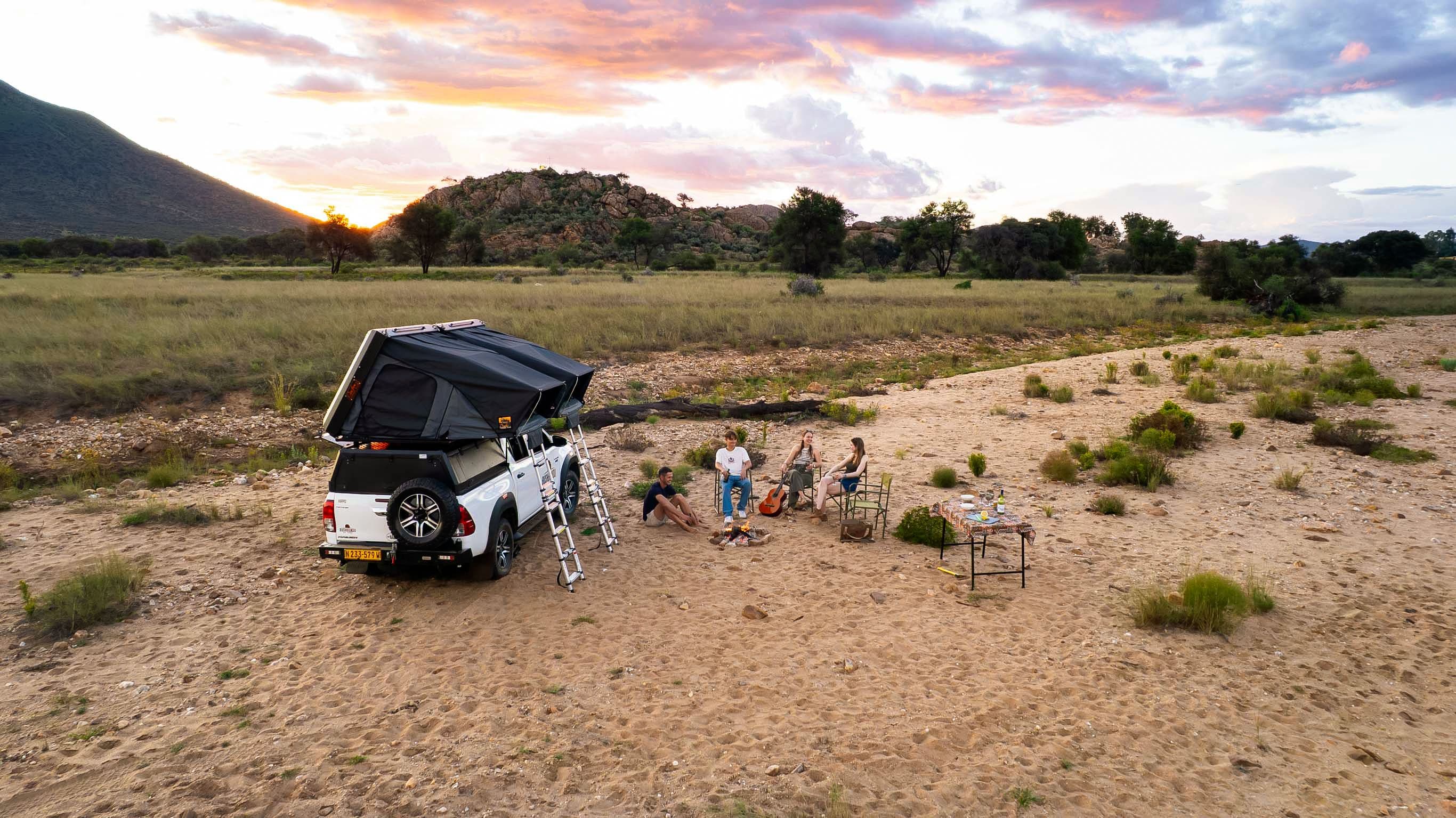
On goArid, you'll find fully equipped 4x4 campers in Namibia with rooftop tents for couples, friends, and families — available for pickup in Windhoek, with airport transfer straight to the car rental office.

Whether you're an experienced off-road driver or a first-time visitor to Namibia, our partners' vehicles are built for Namibia's gravel roads and come with everything you need for your self-drive tour.
What makes goArid different: here you're not just comparing a single vehicle from one provider — you get the best campers from Namibia's leading car rental companies at a glance. Camping equipment, prices, terms: transparent and easy to compare. So you can book the vehicle that truly fits your route. No endless research across different sites, no hidden fine print — just valuable tips.
Every car rental company on goArid is a Namibian provider. Your money stays in Namibia, supporting the local tourism economy and local communities — we choose local partners based on quality and experience.
You send a request — we check availability and send you a clear quote that also shows any required deposit and possible cancellation fees. No obligation, fully transparent, and no commitment.
Different local car rental companies at a glance — compare equipment, prices, and terms side by side. Save time and let us do the work. We know the differences between the rental companies and which vehicle best suits your trip.
From your first request to the end of your trip — personal and free of charge. No hidden extra costs — with goArid, you always reach a real person, backed by first-class service from an experienced team before and during your trip.
The right vehicle makes all the difference — especially on Namibia's gravel roads and sandy tracks. Here's an overview of the most popular 4x4 campers for your Namibia adventure.
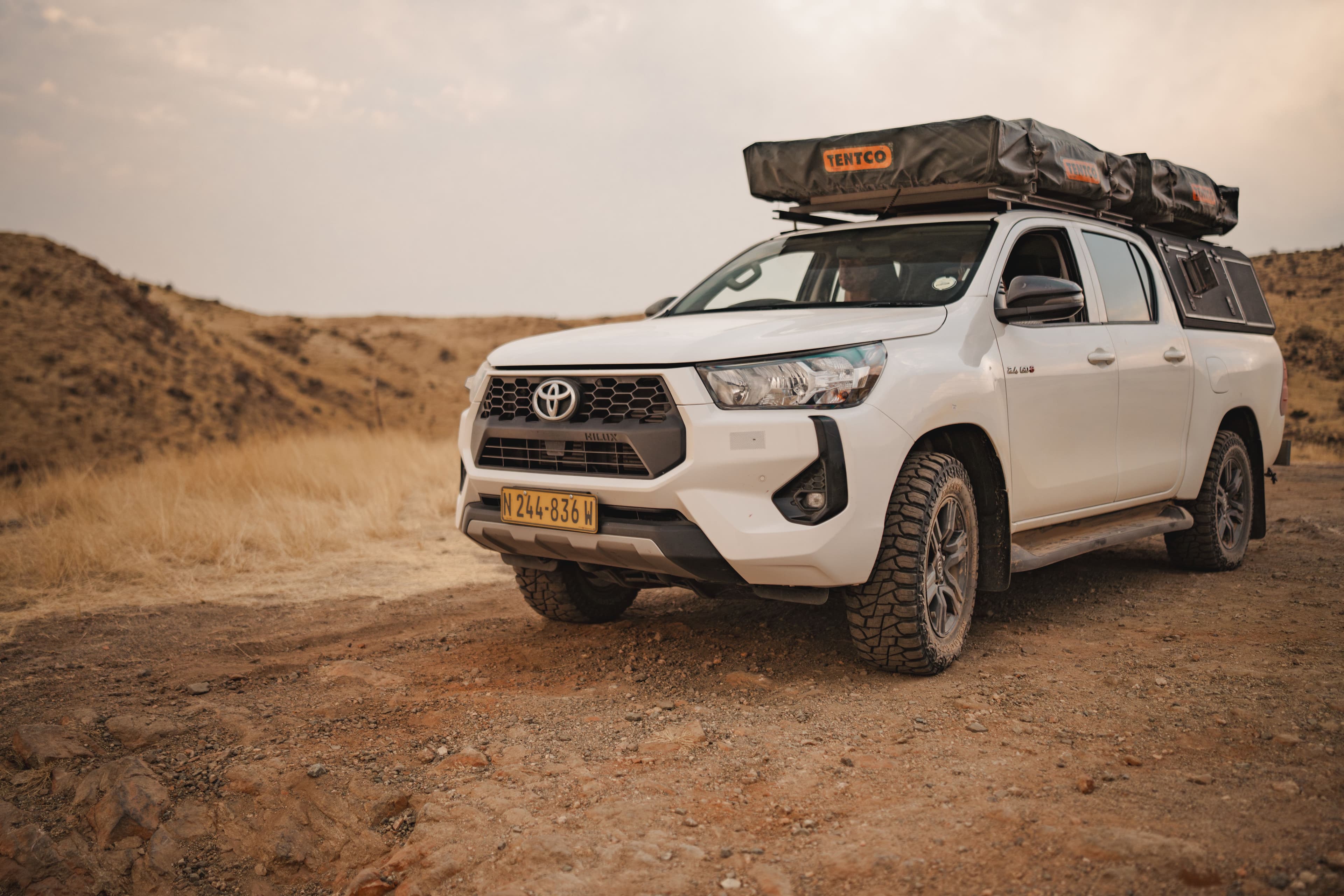
The most-booked camping rental vehicle in Namibia — and for good reason. The Hilux delivers excellent value for money, outstanding off-road capability, all-wheel drive across all models, high ground clearance, and rugged diesel technology. Toyota Hilux rentals are available from model year 2023 onward, with the Toyota Hilux 2.4 Double Cab specifically built in 2023. With space for up to 4 people plus full camping equipment, it's the perfect choice for couples, groups of friends, and families tackling Namibia's classic route. Its 140L fuel tank is built for long stretches, such as the drive from Windhoek via Etosha to Swakopmund — making the Hilux equally well suited for longer self-drive tours.
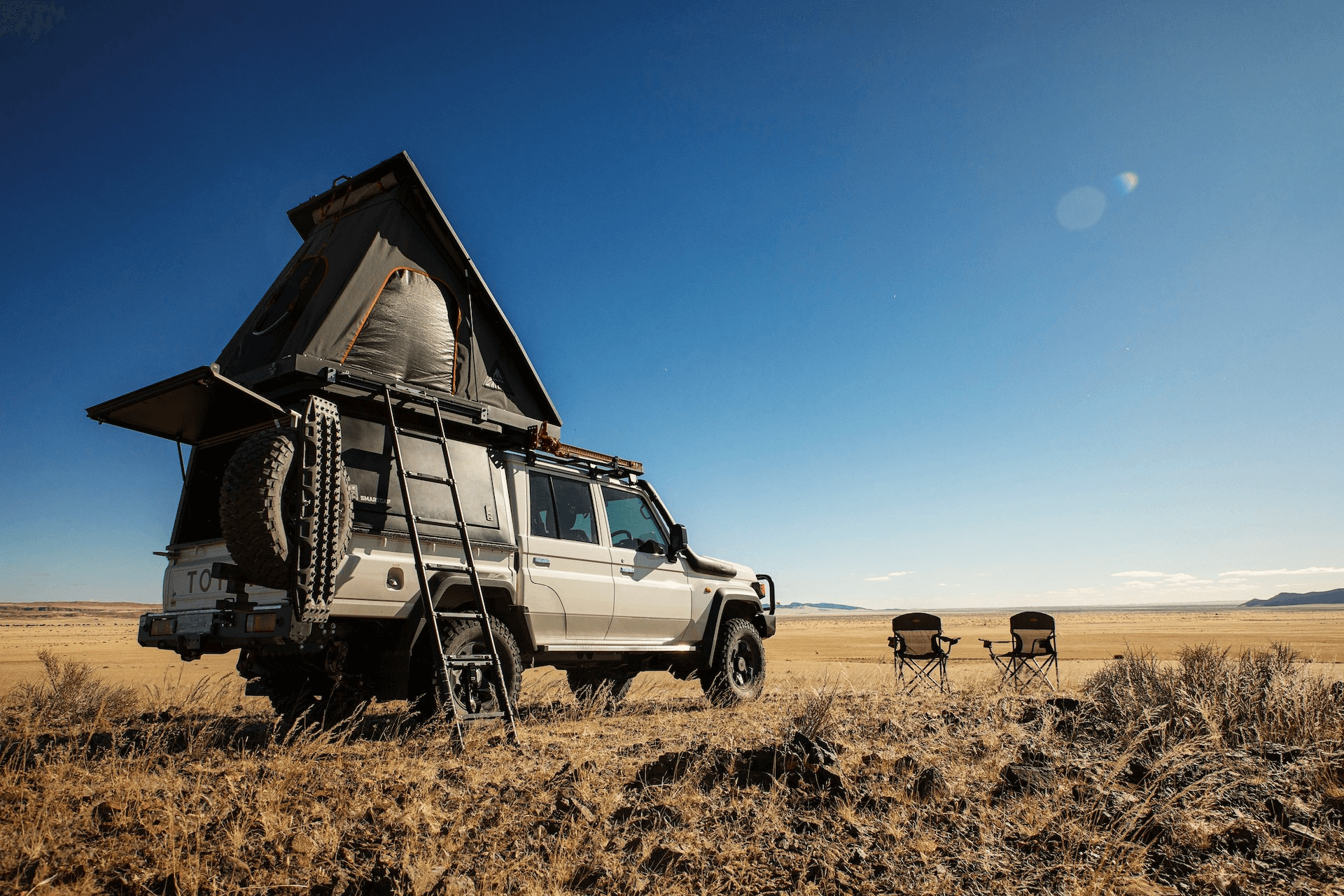
Whether tackling deep sand tracks under heavy strain, rocky stretches, demanding terrain, or remote off-road routes far from civilization — the Toyota Land Cruiser 79 is the right choice when things get truly challenging. With 4x4 drive and low-range gearing, high ground clearance, rugged construction, and a large fuel tank, it's a dependable off-road vehicle, even for remote regions like the Kaokoveld. Also available for groups of up to 6 people with two rooftop tents — ideal for off-road adventures in Africa.
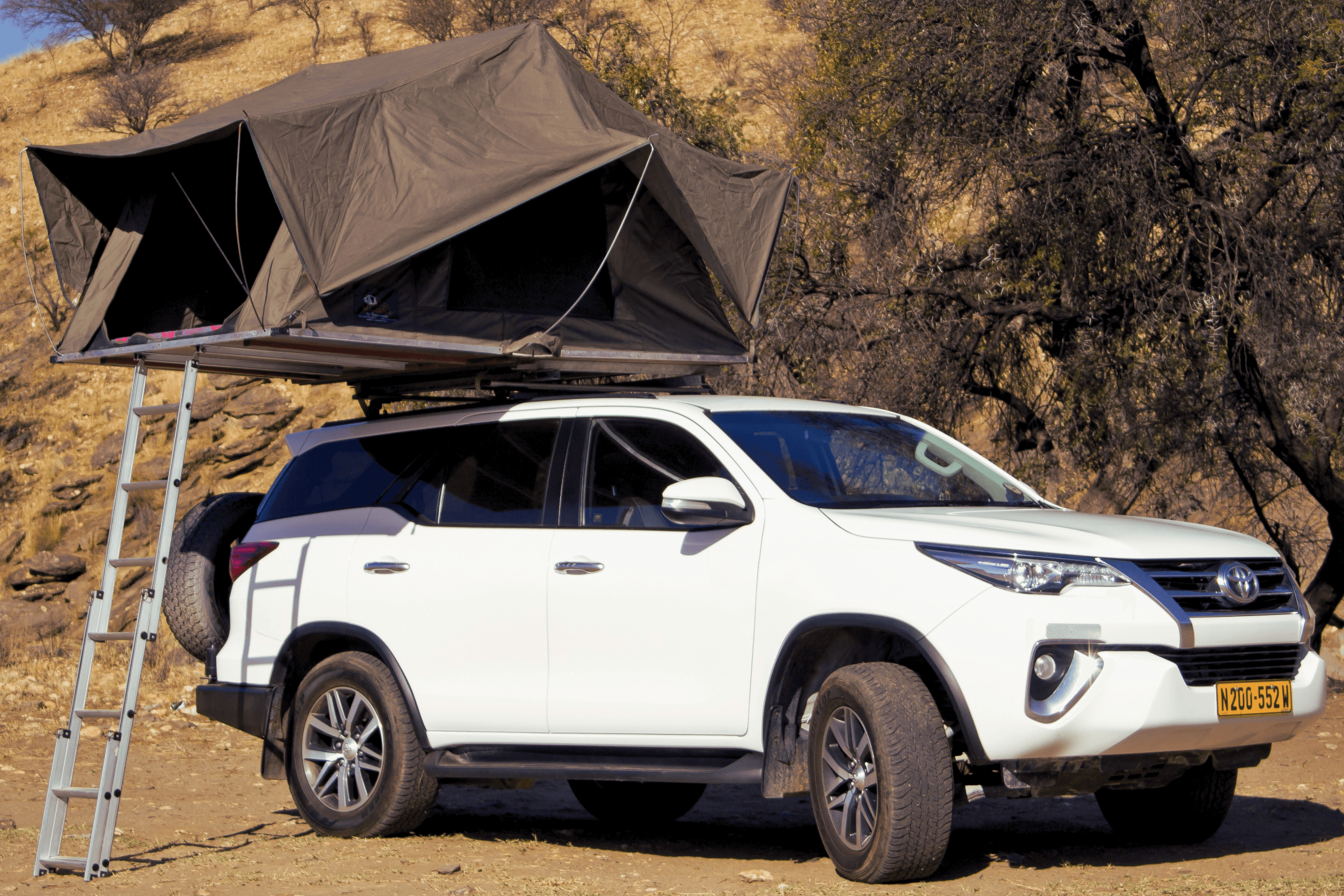
The Toyota Fortuner is the perfect alternative for 2 people who want to combine camping with comfort, offering practical storage space for luggage or camping gear. Air conditioning, comfortable seating, and a modern infotainment system — the Fortuner delivers modern SUV comfort on Namibia's classic route, making for relaxed driving on the main roads. For deep sand tracks or more demanding off-road routes, we recommend the Toyota Hilux double cab or Toyota Land Cruiser.
Depending on your route and group size, you can choose the setup that best fits camping or lodge stays. When choosing any 4x4 rental vehicle, look out for the following features:
Dual battery system
Powers your cooler box without draining the starter battery.
Dual fuel tank
Fuel stations can be few and far between on remote routes.
Two spare tires
Standard and already included in the rental price, since flat tires are not uncommon in Namibia.
Unlimited kilometres
So your Namibia adventure isn't limited by distance.
Every rental car on goArid comes with standard insurance — but the excess (deductible) in the event of damage varies depending on the insurance option you choose. One thing is important to know: damage is damage — whether caused by negligence or not, the excess always applies. Drive the way you would drive your own car.
Included in the rental price is basic insurance with an excess typically ranging from €2,000–2,500 in the event of damage. Windscreen and tire damage are usually not covered under this option. With some providers, you can add both as extra coverage on top of the standard insurance.
The excess drops to approximately €1,000–1,500. In return, an additional daily fee is added to the rental price. With many providers, tire and windscreen damage are already included under this option — it's best to check this directly in your quote.
No excess in the event of damage. This is the option that lets you travel through Namibia worry-free — no thinking about possible extra costs, and no deposit required.
Important: Underbody damage is generally not covered by most providers, and this cannot be added as an optional extra.
Make sure tire and windscreen damage are included in your insurance — these are the most common types of damage on Namibia's gravel roads. For extra peace of mind on the road: always document any damage immediately and thoroughly. In the event of a breakdown or accident, secure the vehicle, contact the rental company right away, and report every issue promptly. Photos of the vehicle and the situation on-site help as evidence. Depending on the provider, emergency support may even include return transport.
Some providers already include this in the reduced excess option, while others let you add it separately to the standard insurance. On goArid, you can see exactly what's included with each vehicle.
Ultimately, the choice of insurance is a personal one. What matters most is that you feel good and secure throughout your trip.
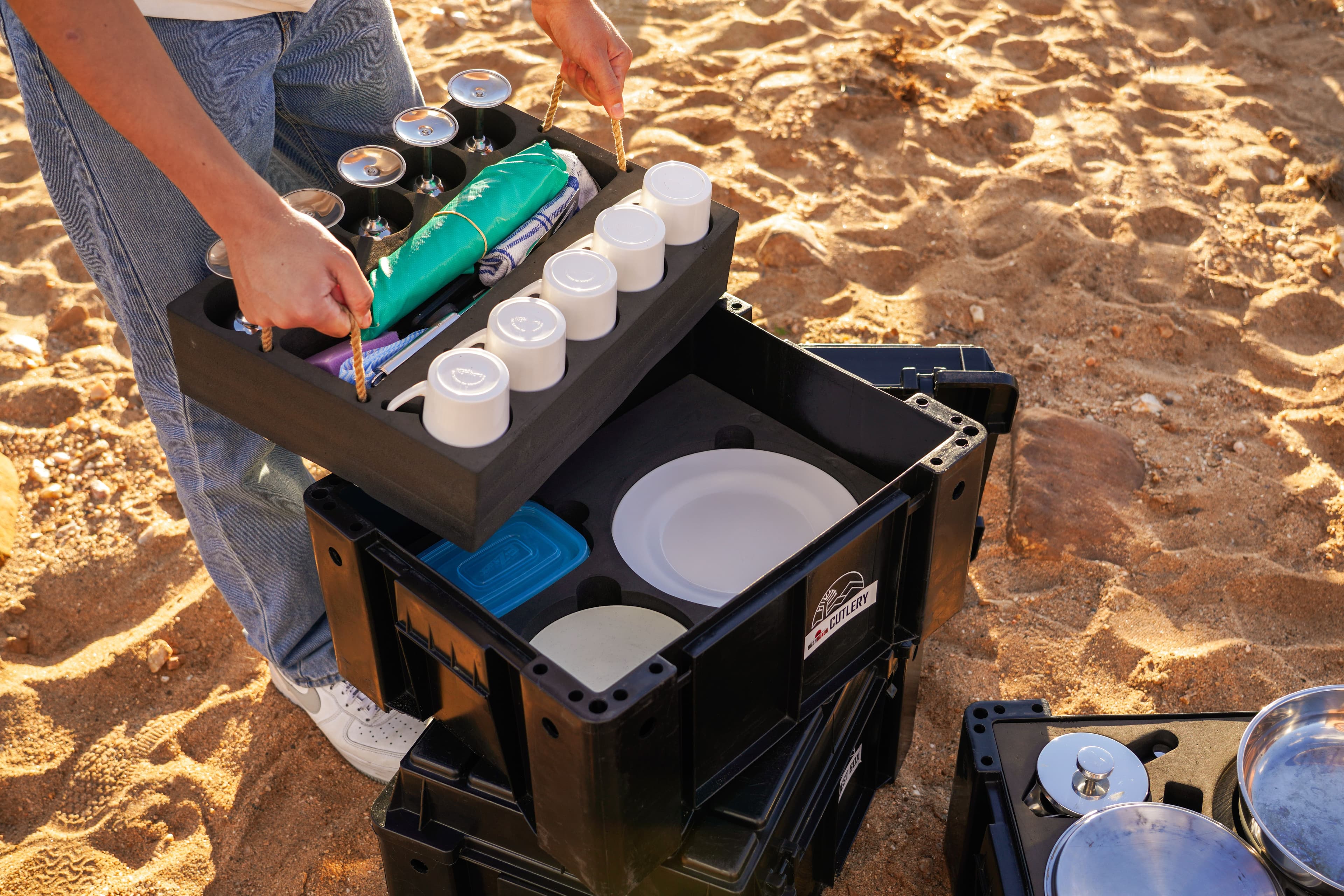
Every 4x4 rental vehicle with a rooftop tent comes fully equipped. The equipment provided by different car rental companies is very similar, often with only minor differences. With us, you'll find the exact equipment list for every vehicle.
Everything you need for daily life and your camping adventure on the road; depending on the provider, additional extras may be available to book.
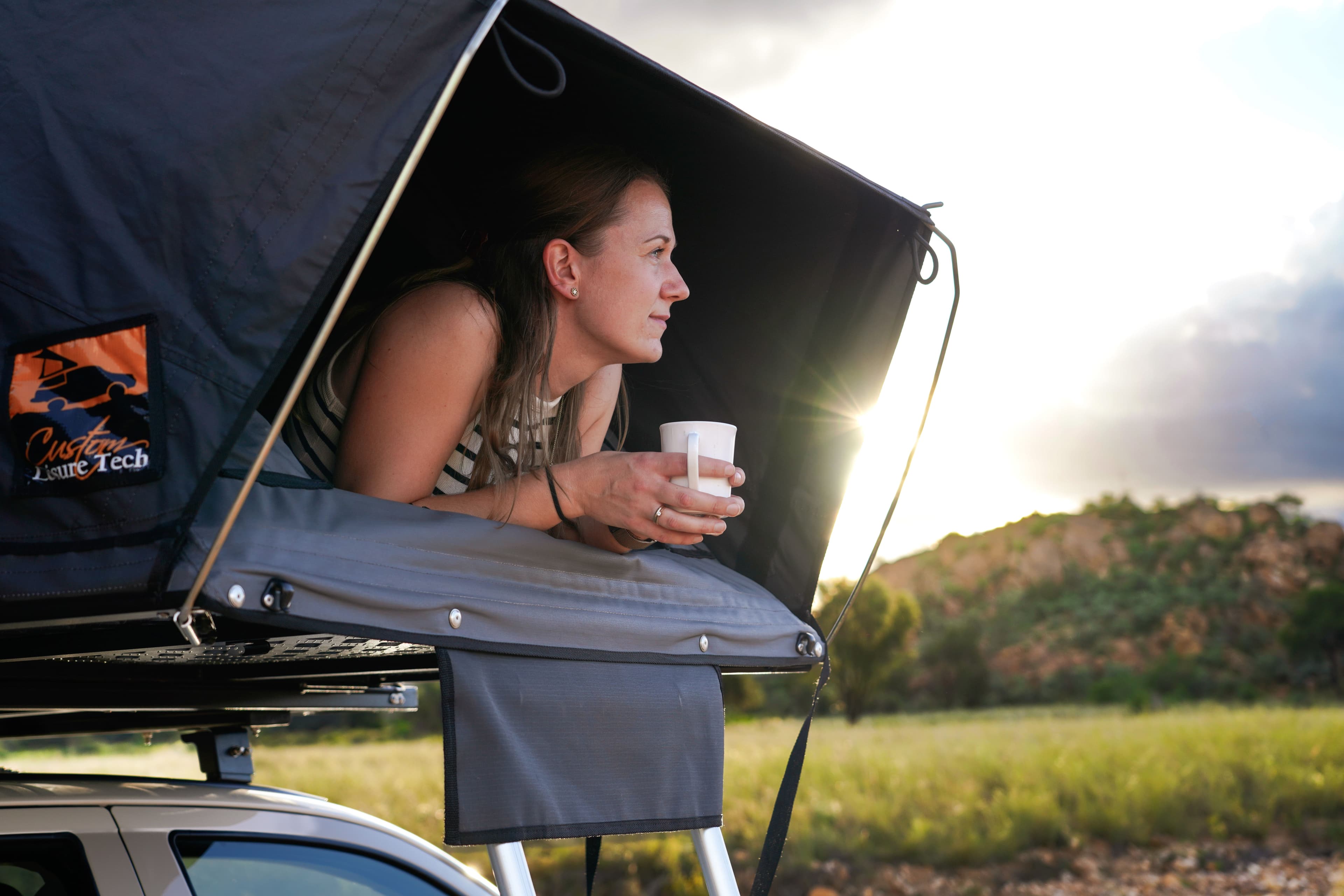
Your tent is permanently mounted on the roof rack and sets up in just a few minutes. Access is via an aluminum ladder. Windows and doors are fitted with mosquito netting.
No festival food here — this is real cooking, just like at home, only outdoors and with a better view.

A 4x4 with rooftop tent costs around €106 to €195 per day depending on season and equipment, while budget models often start at around €70 per day. That's just a bit more than a standard rental car without camping gear — Toyota Hilux rentals can start from as little as €78 per day — but you'll save on accommodation. Campsites cost around €20–50 per night and are significantly cheaper than lodges or hotels, whereas premium rental vehicles often start at around €100 per day.
High season, from July to November, is the most expensive, while low season, from December to March, is the cheapest. The price always includes the complete camping equipment for two or four people, including a fridge — so there's nothing extra you need to book.

With most providers, a second driver is included in the rental price at no extra cost. Check the included services for your selected vehicle to see if this applies, since certain options or additional drivers may only be available for an extra fee depending on the provider.
Yes — most of our partners allow border crossings into Botswana, Zimbabwe, and South Africa. So if you're planning a self-drive tour through Namibia with a side trip to Chobe National Park or Victoria Falls, you'll find the right rental vehicle with us.
Important: Border crossings must be registered in advance so the necessary documents can be issued in time. Depending on the provider, a cross-border fee may apply — sometimes free, sometimes chargeable. This will be shown in your quote.
If you're also planning to include Zambia or Angola in your route: unfortunately, most providers don't allow border crossings into these countries. We're happy to help you find the right rental vehicle for your needs — just get in touch.
If you'd like to travel beyond Namibia into Botswana, Zambia, and Zimbabwe with your rental car, be sure to request the country permits early during booking to avoid delays — for example, for a route from Windhoek through Botswana to Victoria Falls in Zimbabwe.
With some of our rental partners, you can rent a 4x4 camper in Namibia from as young as 18. With many other providers, the minimum age is 23. However, the terms for young drivers vary depending on the provider. Here are a few examples:
An additional daily fee of around €10–15 may apply for drivers under 23 — known as the Young Driver Fee.
For drivers under 21, the excess may be increased by 5%.
In some cases, drivers under 23 only need to pay an additional deposit of around €250 — with no other extra costs. It's also required that every driver has held their license for at least one year.
That depends on when you arrive and depart.
If you arrive and pick up your rental car on the same day, most rental companies offer a free airport transfer. The same applies to drop-off on your departure day.
If you arrive one day before your rental starts, or return the vehicle one day before your flight, you'll need to arrange transport to the airport yourself. However, on the day you actually pick up or return your rental car, most partners will arrange a free transfer to and from your accommodation. Drop-off is usually done together with a staff member who checks the condition of the vehicle.
You'll find all the details in our blog article: How to Pick Up Your Rental Car in Namibia. If you have any doubts about the final invoice or the vehicle's condition, be sure to raise any open issues on the spot.
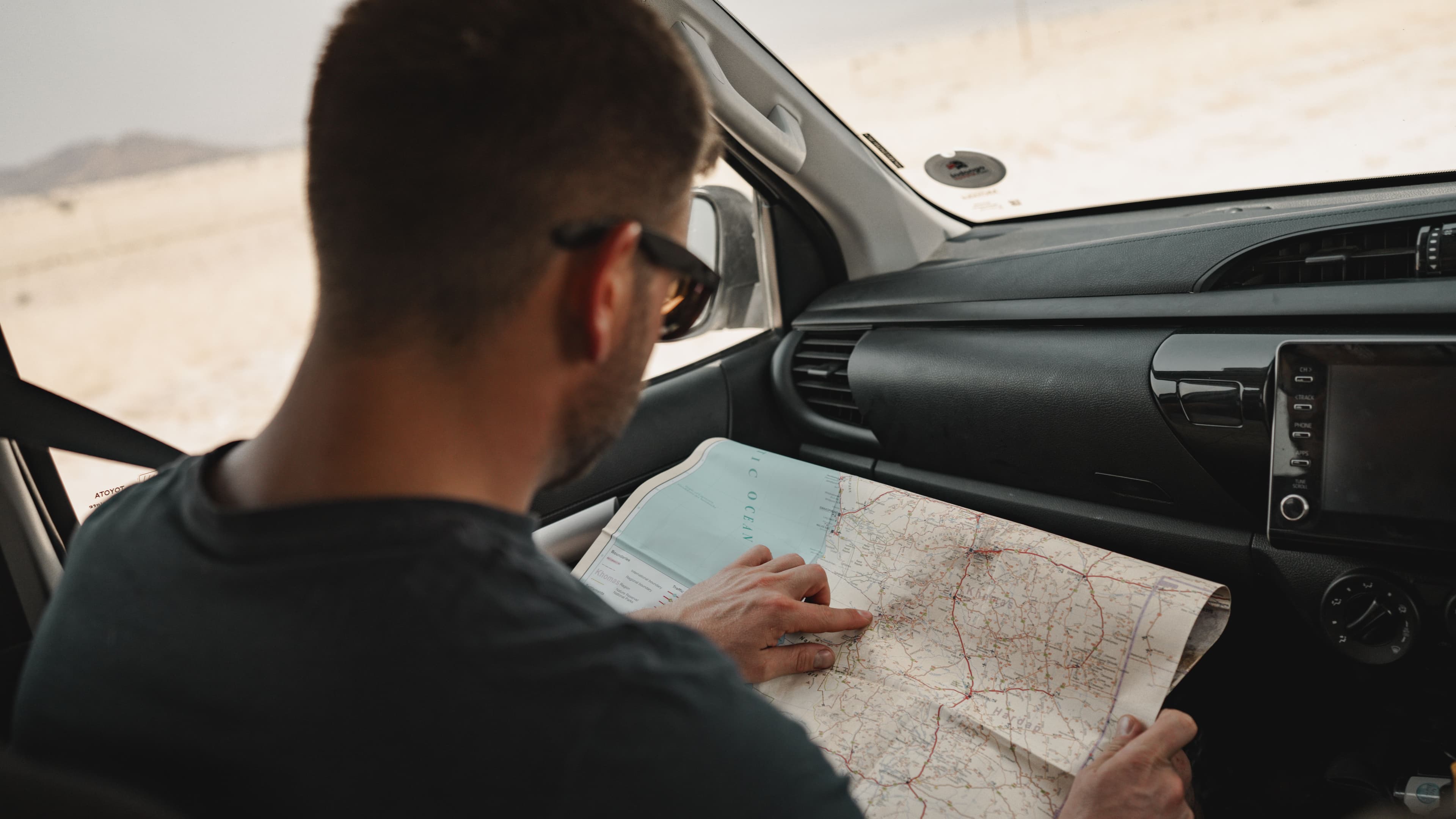
No. For most standard routes, you don't need GPS or a satellite phone — both usually cost extra with most providers and aren't necessary for the classic routes through Namibia.
We only recommend a satellite phone for truly remote regions, such as the Kaokoveld, Khaudum National Park, or remote parts of Damaraland — essentially anywhere you might go without mobile signal for several kilometers.
That said, if the idea keeps nagging at you: just book it. A relaxed self-drive trip is worth more than the money you'd save.
More on this in our blog article: Navigation in Namibia
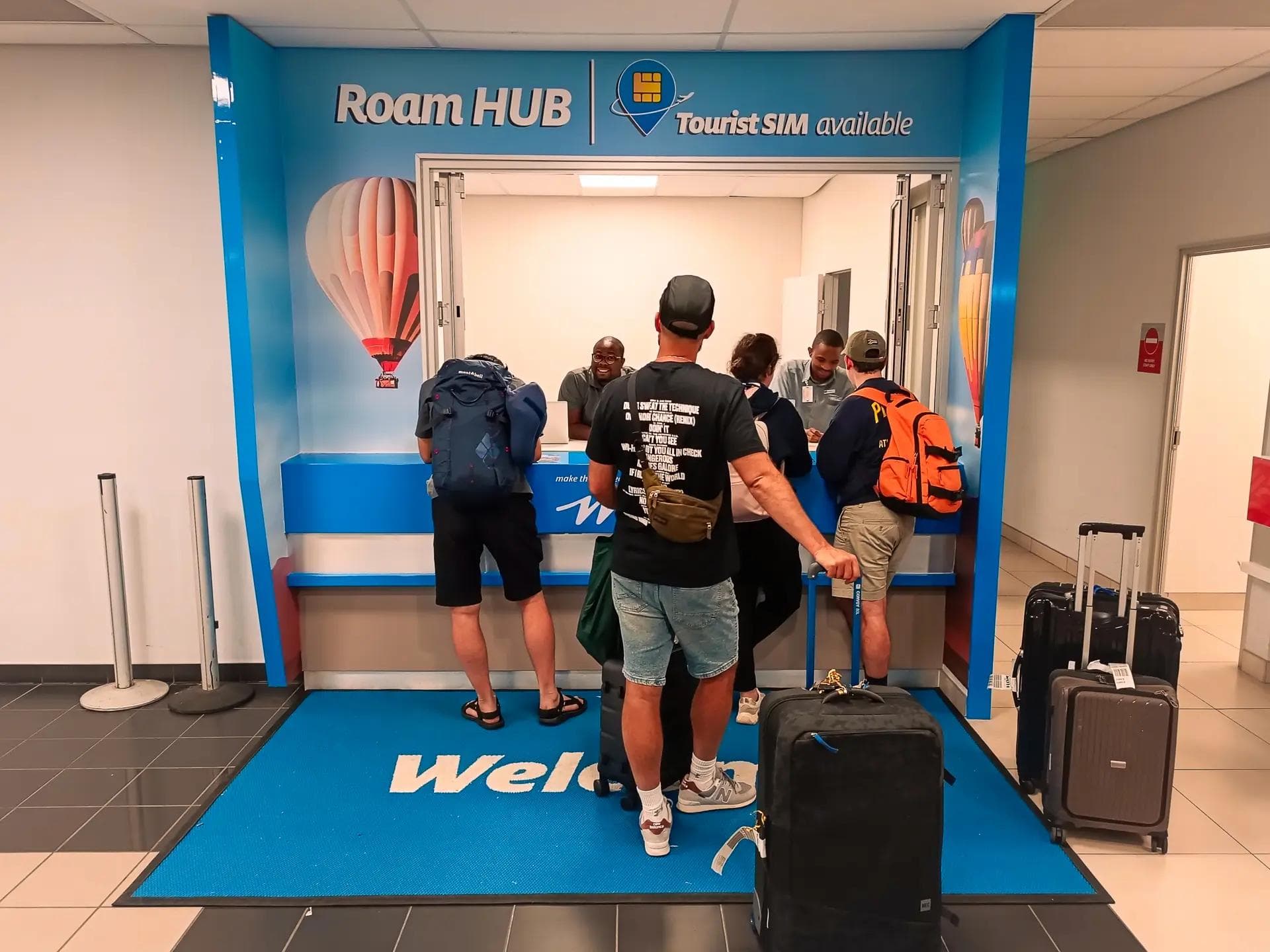
You want to experience Namibia as a travel destination and still have the option of being online during your trip? Whether it's to share your experiences, check in with your family, or take care of important emails.
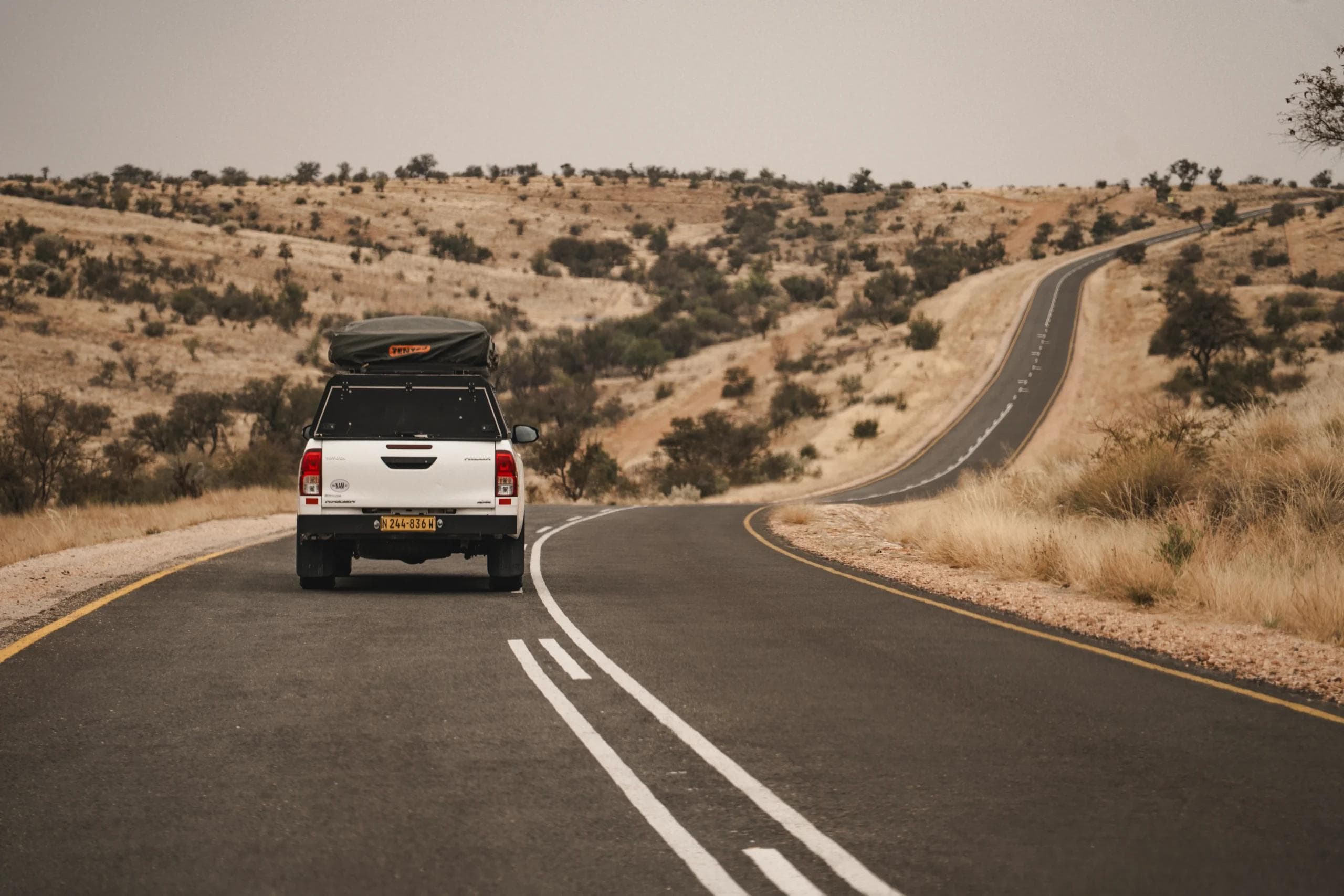
Here you'll find information about left-hand traffic in Namibia, road conditions, the international driving licence, fuel prices, and more.
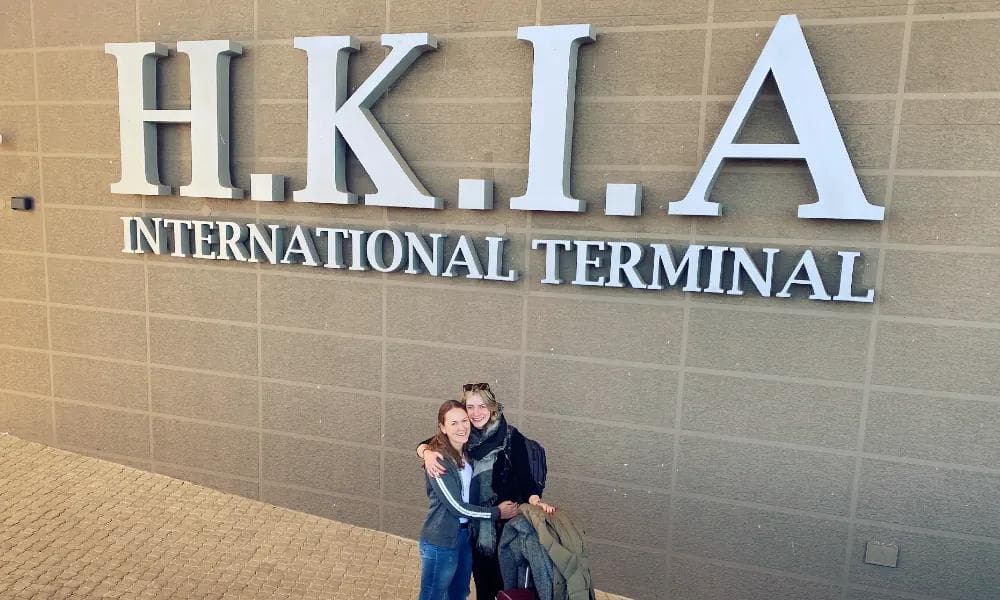
Arrival at Hosea Kutako Airport Windhoek: Here you'll find all the information about your entry, SIM card, ATMs, as well as luggage and transfer.


