
Trip Planning
Best Time to Visit Namibia - Insider Tips and Experiences
 goArid
Contents
Estimated reading time: 10 minutes
The Best Time to Visit Namibia – An Overview
If you're reading this, you already know that Namibia is a spectacular travel destination with breathtaking landscapes, exciting safaris, and unforgettable wildlife encounters.
But when is the best time to experience this diverse country?
We share our experiences and information about Namibia's seasons, climate, and rainy and dry seasons. You'll also find out when the best time is for wildlife viewing, safaris, and other exciting activities in Namibia.
December to March
Climate and Landscape: Summer, sunshine, rainy season. The climate shifts from very hot and dry in December to pleasantly warm in March. The start of the rainy season offers a spectacular show with thunderstorms, brief rain showers, and the best sundowners in the world.

During the rainy season, Namibia transforms into a green, blooming paradise. Water pools and rivers appear where drought normally prevails, and even in the desert, natural water sources form – such as in the Fish River Canyon or Sesriem Canyon. If you enjoy mild temperatures and occasional rain showers, then the rainy season is the best time for you to visit Namibia.
The landscape radiates in vivid colours – and is particularly appealing to photographers.

Activities: This period is especially well-suited for wildlife viewing. Before the rain, thirsty animals gather at watering holes, and with the first showers, wildlife springs to new life. Baby animals are born, and the birdlife pulses with activity.
The long days offer many hours of sunshine for activities and excursions, and you'll find an ideal interplay of colour and light that many a photographer dreams of.
Accommodation and Rental Cars: During this time of year, you'll find accommodation everywhere at good prices. Lodges and rental cars are rarely fully booked and you have the greatest selection.
Those planning to camp should be prepared for both sunshine and unexpected rain showers.
A rental car with camping equipment is ideal from December to March and is one of the best ways to experience the freedom of Namibia up close.
Clearly the best travel time for the budget-conscious traveller.
April to May
Climate and Landscape: Winter begins and the climate becomes milder. With the end of the rainy season, the air is pleasantly warm and slightly humid, while the nights remain refreshingly cool. The landscape is covered with grasses and drying vegetation – a beautiful and ever-changing play of colours.
Climatically, this is perhaps the best time to visit Namibia.

Activities: Daytime temperatures are no longer quite so extreme and are better suited for being active outdoors. Great for hiking and camping.
Accommodation and Rental Cars: The shoulder season means that accommodation and rental cars are not yet overcrowded or fully booked. If you search in the right places, you'll find great deals that are financially affordable.
June to September
Climate and Landscape: It is "winter" in Namibia, which means pleasant daytime temperatures of around 25°C and sunshine. However, nights can get bitterly cold – and even drop below 0°C. Especially in the desert regions of the southwest and northwest, temperatures fluctuate greatly. The landscape dries out again, the air is clean, and visibility extends for hundreds of kilometres.

Activities: The onset of the dry season is ideal for visiting Etosha National Park. Animals increasingly gather at the dwindling watering holes, while temperatures are pleasant for excursions.
When every watering hole becomes a wildlife meeting point, the perfect safari experience awaits you.
In addition, the cold, clear air reveals a breathtaking night sky that fascinates travellers from around the world. At sunrise, you float silently in a hot air balloon over the Namib, while the world's longest waves draw surfers to the famous Skeleton Bay.
Accommodation and Rental Cars: High season begins, and those who haven't booked well in advance may need to search longer for the right deal or dig deep into their pockets.
October to November
Climate and Landscape: This is the driest and hottest time in Namibia. If you're travelling by rental car, you should always make sure the air conditioning is working.

Activities: To avoid the midday heat, you should plan your excursions for early morning or late afternoon. You're best off in the shade, near air conditioning (e.g. in your car or a shopping mall), at the beach, or by the pool.
Accommodation and Rental Cars: High season is ending and accommodation and rental cars can sometimes still be fully booked. Here too, it's worth booking well in advance and comparing providers.
The Best Time to Visit Namibia for Safaris and Wildlife Viewing
In summer you have around 13 hours of daylight, in winter approximately 10.5 – an important factor, as daylight determines the time available for tours and activities.
The rainy months bring a spring-like atmosphere, new water sources emerge, and many birds and young animals are active.
For Etosha National Park or the Namib-Naukluft, this is one of the best times in Namibia to observe animals such as impalas, springboks, and zebras, and to delight in the jumping and playful newcomers of the natural world. However, many watering holes also mean that animals are widely dispersed.
That's why, for us, the months before the rainy season are an equally good time for wildlife viewing, as during this dry period a higher density of animals congregates at the remaining watering holes. They are more concentrated and easier to spot. Once the first rains arrive, the animals disperse and move to where there is fresh grazing land. Elephants are almost nowhere to be seen after the first rain, as they tend to be found in the southern part of Etosha National Park at that time.
Ask locals for tips or book a guide – that way you won't miss a single animal or adventure.
As winter ends, the dry season slowly approaches. The animals begin once again to gather at the shrinking watering holes, making safaris exciting again as the animals become easier to observe.
Rainy Season vs. Dry Season – Which Climate Suits You Better?
Generally speaking, Namibia's climate offers pleasant temperatures throughout the year: 15–25°C during the day in winter and over 30°C during the summer months. Nights are naturally cooler, but still mild compared to Europe. Namibia doesn't have the classic four seasons as we know them in Europe. Instead of spring, summer, autumn, and winter, the distinction here is primarily between rainy season and dry season – and the differences are clearly noticeable.
A heads-up for packing: near freezing at night, sweltering heat during the day – Namibia surprises with large temperature swings.
Rainy Season in Namibia
From December to April, Namibia experiences its rainy season and summer. During this time it can be overcast more frequently, temperatures are mild, and the air can feel somewhat humid at times. The majority of the annual rainfall falls during these months, with weather being changeable overall. Heavy rain showers, hail, and thunderstorms with lightning can occur – a spectacle you rarely experience in Europe.
Despite heavy rainfall, which you should factor into your planning, it is very rare for it to rain for days on end. During this time, Namibia tends to experience short rain showers with thunderstorms rather than the typical European drizzle. So don't worry – even during the rainy season, there is plenty of time and sunshine for travel and activities!

How much precipitation falls also depends strongly on the region. In the north of the country, for example in the Caprivi Strip, rainfall is considerably higher, while the south and west of the country receive relatively little rain. These differences are also clearly reflected in the diverse landscape.
You should definitely factor the weather into your travel planning.
During the rainy season, flooding can occur more frequently in northern Namibia when large rivers such as the Kunene and Kavango overflow their banks. Some roads become temporarily impassable and remote locations are difficult to reach. Furthermore, this weather can create muddy patches on the already very challenging road conditions in national parks, putting significant strain on smaller vehicles. A suitable, off-road capable rental car is therefore essential to avoid high repair costs.
Rain and Life
While it rains, the land blossoms, and Namibia reveals itself in fresh green. Native flowers and trees adorn the landscape in vivid colours. For example, the sun-yellow devil's thorn covers many an open area, while wild spinach blooms beautifully in white in some regions.
If, however, you'd like to admire the round flowers of the famous camel thorn tree, it's best to travel in September or October.
In addition, large rock formations such as at Brandberg or in Sesriem Canyon temporarily offer water pools, unique photo opportunities, and a chance to cool off – experiences that are only possible during the rainy season.
Dry Season in Namibia
By mid-May at the latest, the rainy season in Namibia draws to a close. The thick clouds move on and the sun shines from the sky. Especially from September to November, it now becomes significantly hotter and drier. Daytime temperatures can reach up to 40°C – in the desert even more.

The perfect travel time for those who love heat and sunshine.
The landscape also changes during the dry season. Green grass fades, flowers wilt, and watering holes as well as rivers dry up. The consistent weather with blazing sunshine and clear skies invites daily adventures and unforgettable safaris.
Colours and Contrasts
During the dry season, Namibia reveals a rustic, sometimes stark beauty. In the south, endless plains stretch to the horizon, while in the east, towards Botswana, the red sand dunes of the Kalahari National Park are particularly impressive in the evening sun. Vivid colours no longer play a major role, and the landscape instead captivates with harmonious contrasts of various shades of brown, grey, and yellow.
Added to this is the fact that sunsets during this time often blaze in spectacular colours due to swirling dust and dust devils – a sight you rarely see in Europe. Shimmering heat, dusty winds, and endless, bare landscapes make the dry season an experience in itself. Even for locals, a Namibian sunset is one of the highlights of the day.
Breathtaking sunsets and the interplay of light and shadow make the dry season a paradise for photographers.

Preparing for the Sun
If you travel to Namibia during the dry season, you should not underestimate the heat and the intense sun exposure. The dry air can quickly lead to dehydration, so it is especially important to bring enough water and drink regularly. The risk of sunburn is also extremely high: just a few minutes in the midday sun can be enough to get sunburned – and this applies throughout the entire year.
Sunscreen, a hat, and sunglasses are a must. Plan your outdoor adventures outside of the midday heat!
Cost of Rental Cars and Accommodation: High Season vs. Low Season
As with any popular travel destination, prices in Namibia rise considerably during high season. You should therefore book accommodation and rental cars well in advance to avoid disappointment. The large number of international tourists affects not only availability but also prices: a 4x4 rental car can cost up to 20% more during high season than in the low season, and the cost of your accommodation could even double. This applies especially to very popular destinations such as Etosha, the Namib, and also the Caprivi Strip. For comparison: in Etosha, for example, a price increase of almost 15% for a double room was observed during high season.
So if you're travelling to Namibia during high season, you should book accommodation, rental cars, safaris, and activities early and adjust your budget accordingly.
When is High Season in Namibia?
Namibia is a popular destination for many Europeans, and since most plan their holidays in late summer, this period coincides with high season in Namibia, Botswana, South Africa, and elsewhere in Africa. For families with children, the long summer holidays in Germany offer the ideal opportunity to spend several weeks on holiday in Namibia in pleasant weather.
Because in the African winter, temperatures are very pleasant, and travellers can avoid the blazing sun and the extreme summer heat in Namibia.
According to online information, almost a quarter of a million tourists visit Namibia every year, and although the tourism sector is one of the country's main sources of income, accommodation – especially in remote regions – is limited. This applies in particular to larger groups and families, which is why we strongly recommend booking early.
Tight Budget? Then Consider the Low Season
If you're flexible and not tied to school holidays, December to May would be a more suitable time to travel. High season has not yet begun, but many car rental companies are already charging low-season prices, temperatures are gradually starting to drop, the end of the rainy season is not far off, and wildlife sightings are diverse.
In the low season, you can experience Namibia in all its splendour – at significantly lower costs.
Conclusion: The Best Time to Visit Namibia is… Always!
As this article shows, every season has its own special qualities. Depending on what you want to experience – wildlife viewing and safaris, hiking, or landscape photography – the ideal time to travel can vary.
There is, however, no "bad" time to visit Namibia: with over 300 sunny days a year and a wide variety of activities, the country is always worth a trip. If you travel outside of the main season, you benefit from more choice and lower prices. If that's not an option for you, simply book a little further in advance to secure the best deals.
Related Vehicles
Browse all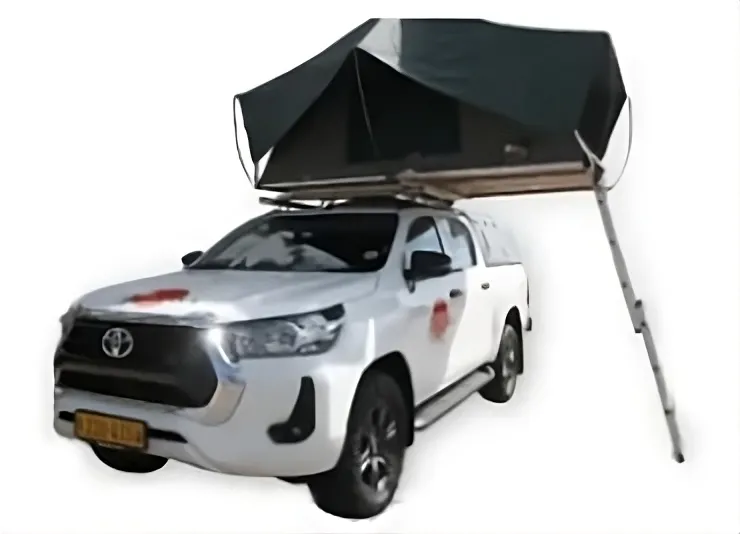


Enjoyed this article?
Share it with your friends